Scaling a Design System
client
Con Edison
year
'21 - '24
timeframe
3 years
The Problem
Con Edison supports dozens of internal and customer-facing applications across a highly complex operational ecosystem, but the existing Enterprise Design System could not keep pace with growing needs.
Design patterns drifted across products, teams relied heavily on costly third-party components, and critical accessibility gaps prevented use in customer-facing experiences. Delivery slowed as teams reworked designs and reconciled inconsistencies between design and code.
Incremental fixes weren’t sufficient. The organization needed a system-level reset—one that could improve speed, enforce accessibility, establish governance, and scale reliably over time.
Impact
This work transformed a fragmented design library into an enterprise platform teams rely on to ship consistently at scale.
~$2.5M Saved In Design + Dev Costs | ||
Scaled from 4 to 16+ B2B & B2C Products | ||
100% WCAG AA Compliant | ||
Additional key outcomes: | ||
30–40% faster design-to-development cycles across teams | ||
Eliminated third-party component dependencies, reducing licensing cost and tech debt | ||
Enabled cross-division operational visibility, risk management, and proactive incident prevention |
My Role
As Design Lead within Con Edison’s Digital Factory, I owned the vision, architecture, and multi-year evolution of the Enterprise Design System.
Defined the multi-year roadmap aligned to business priorities
Led the modernization and re-architecture of the system
Connected Product, Engineering, Accessibility, and Leadership around a shared quality bar
Established governance, contribution models, and quality bars teams now operate under
This work influenced dozens of teams across the enterprise—not a single squad.
Key Decisions That Unlocked Impact
Led with High-Value Utilities to Earn Trust & Drive Adoption
Rather than starting with governance or refactors, I led with enterprise utilities that solved immediate, costly product problems. Delivered system-level utilities now reused across products.
Photo Utility
Empowered users to capture, annotate, and edit photos within applications, offering a suite of photo editing tools (Tag, Add Text, Freehand Drawing, Crop) with an undo feature and a customizable photo gallery.
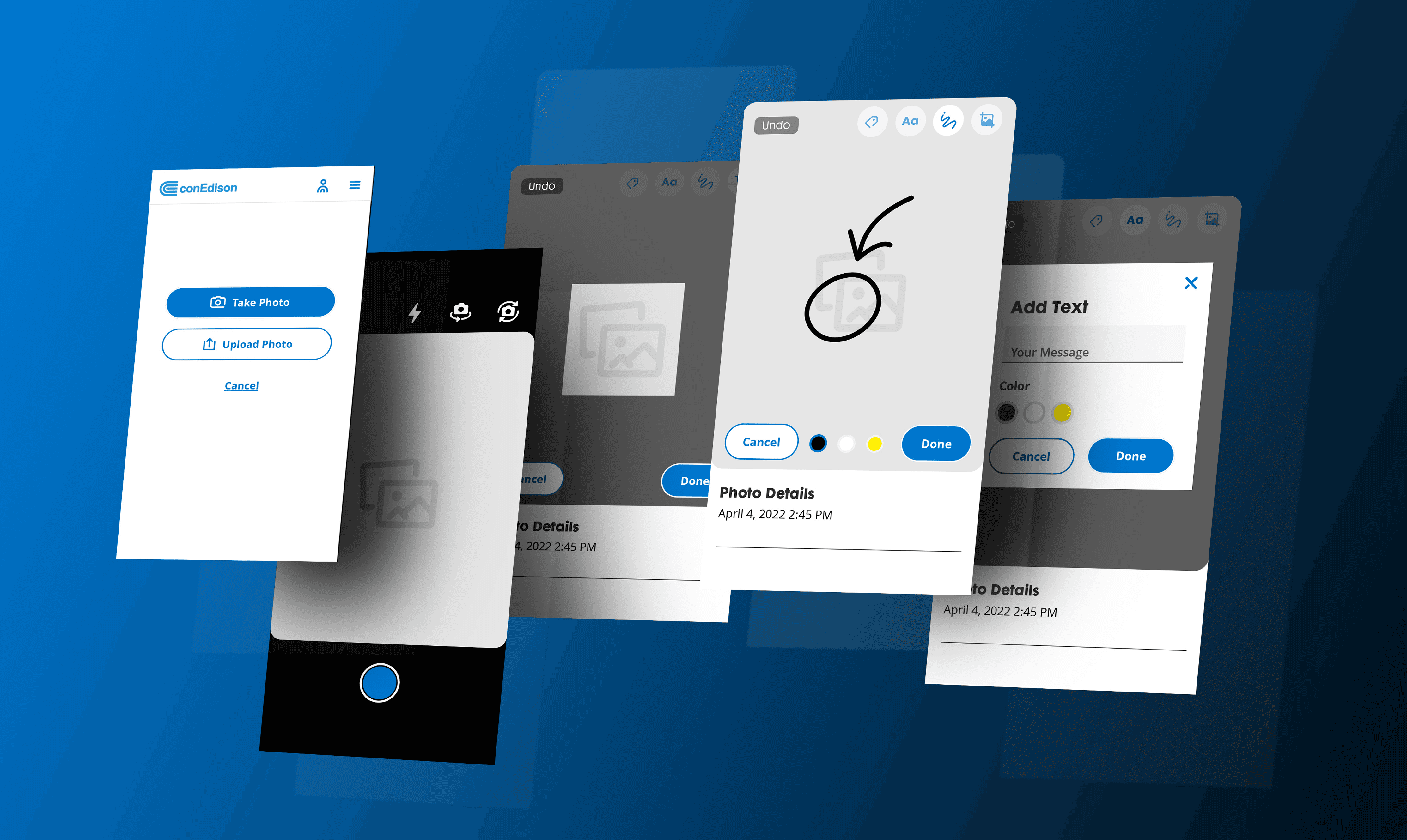
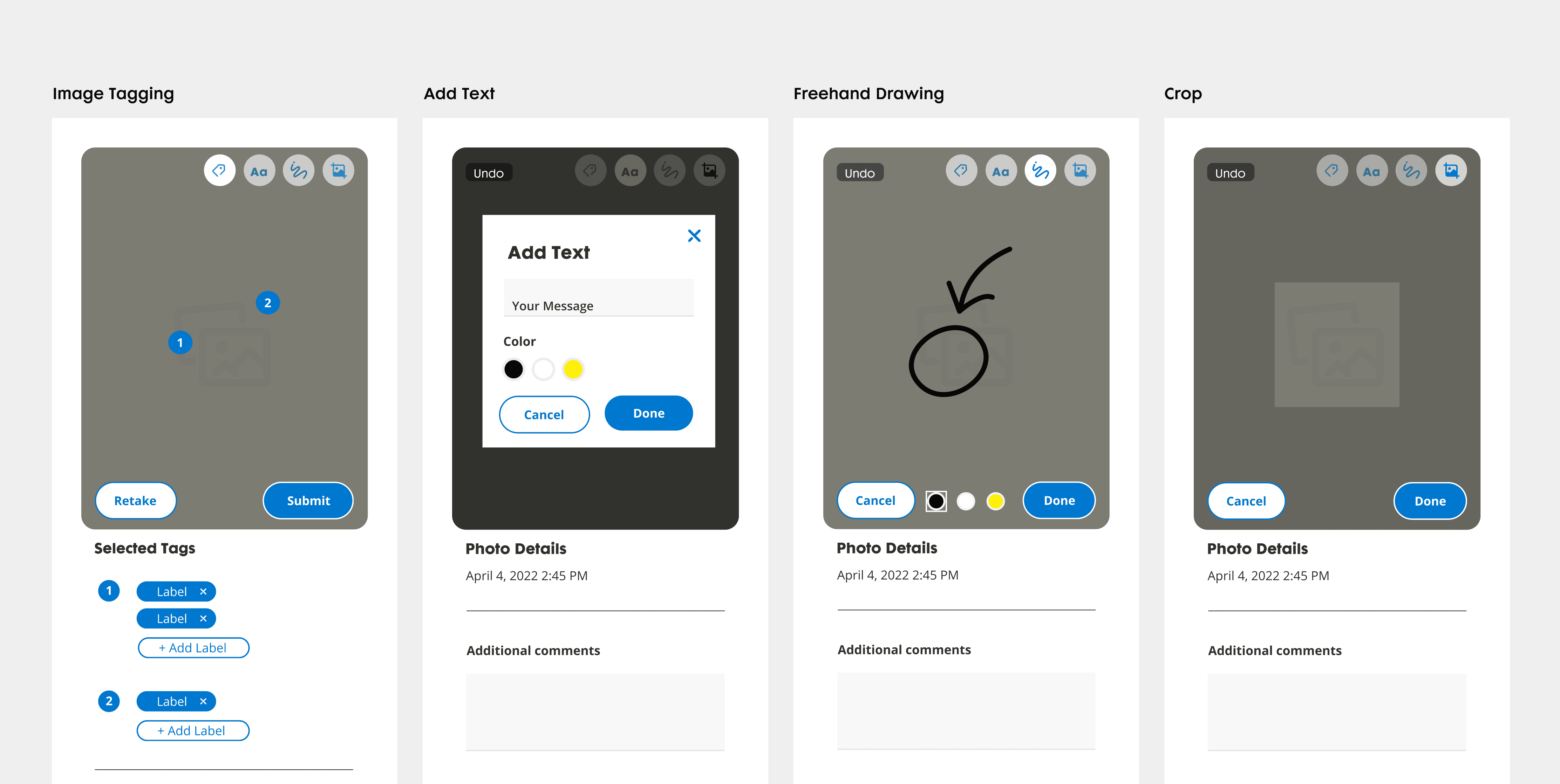
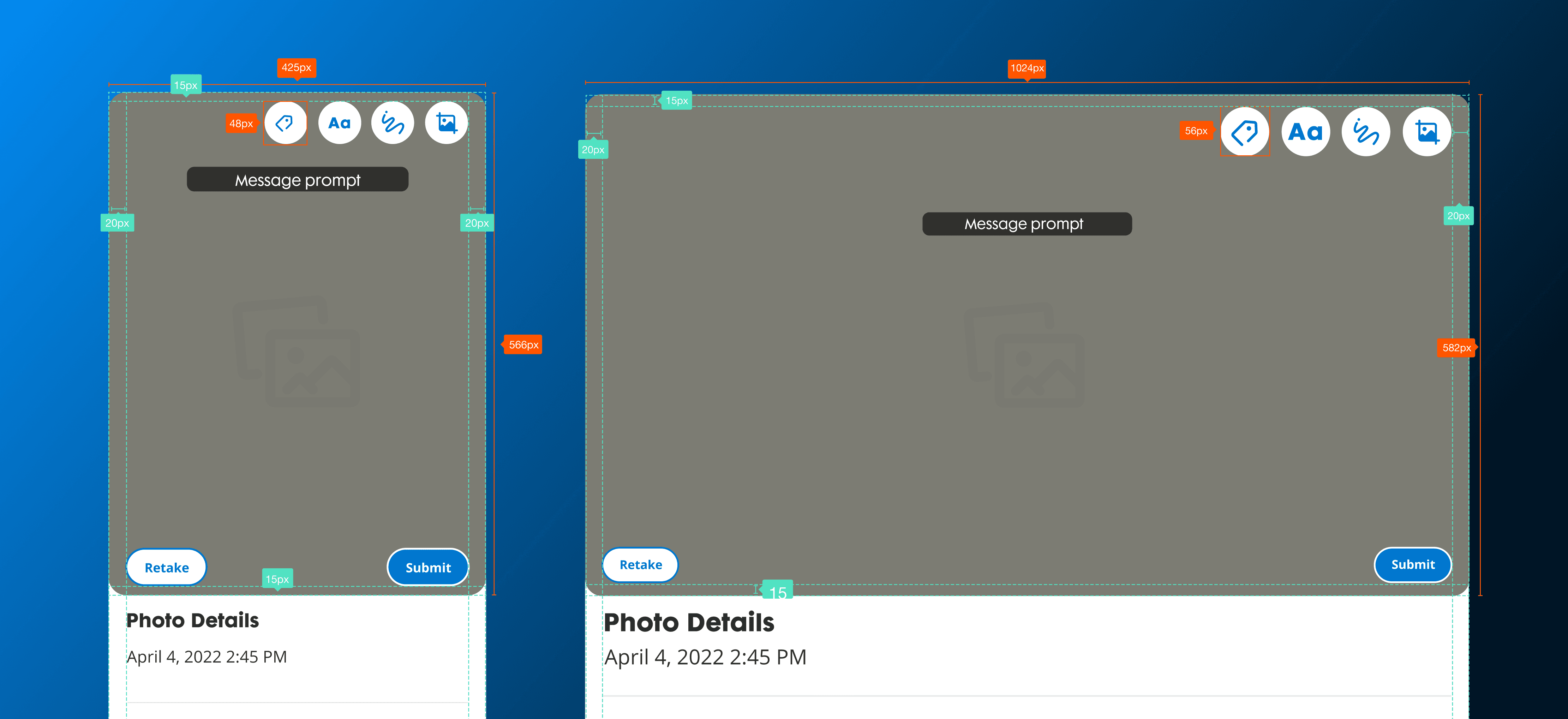
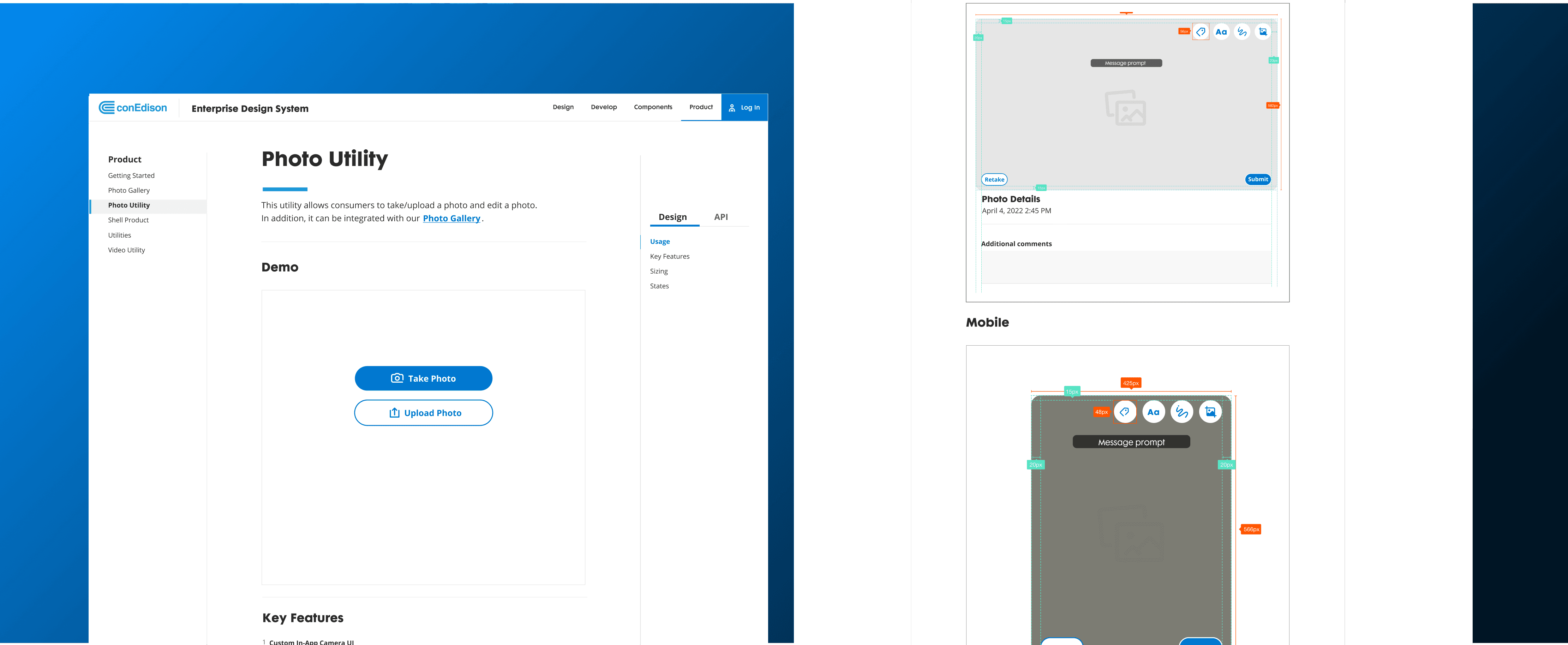
Photo Gallery
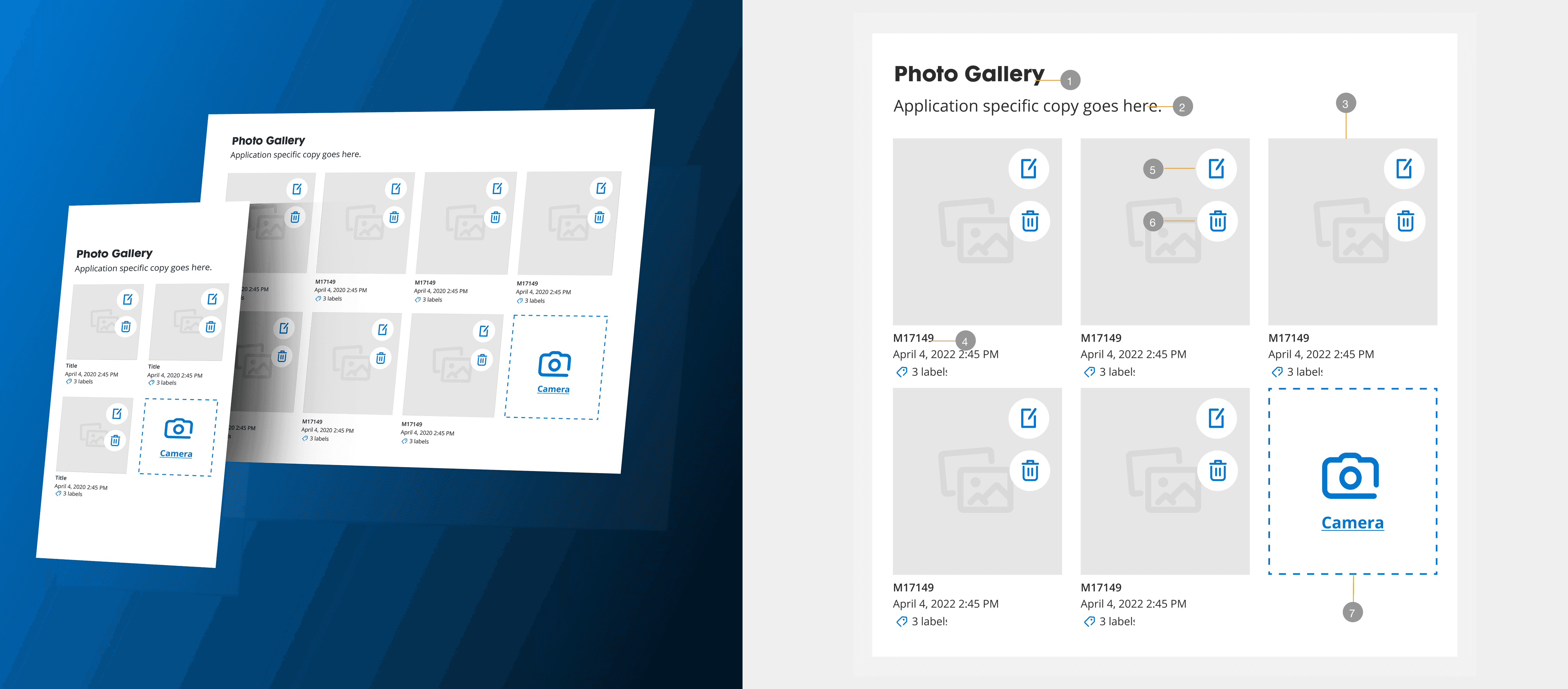
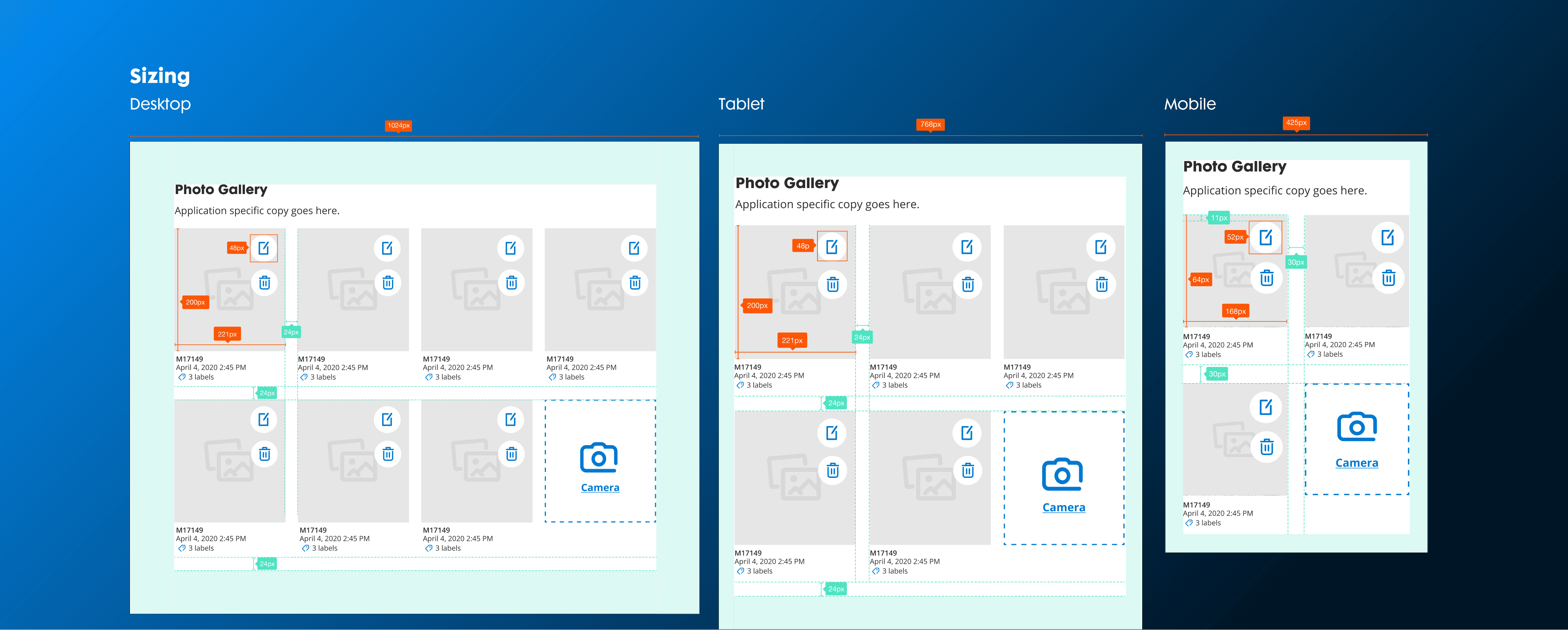
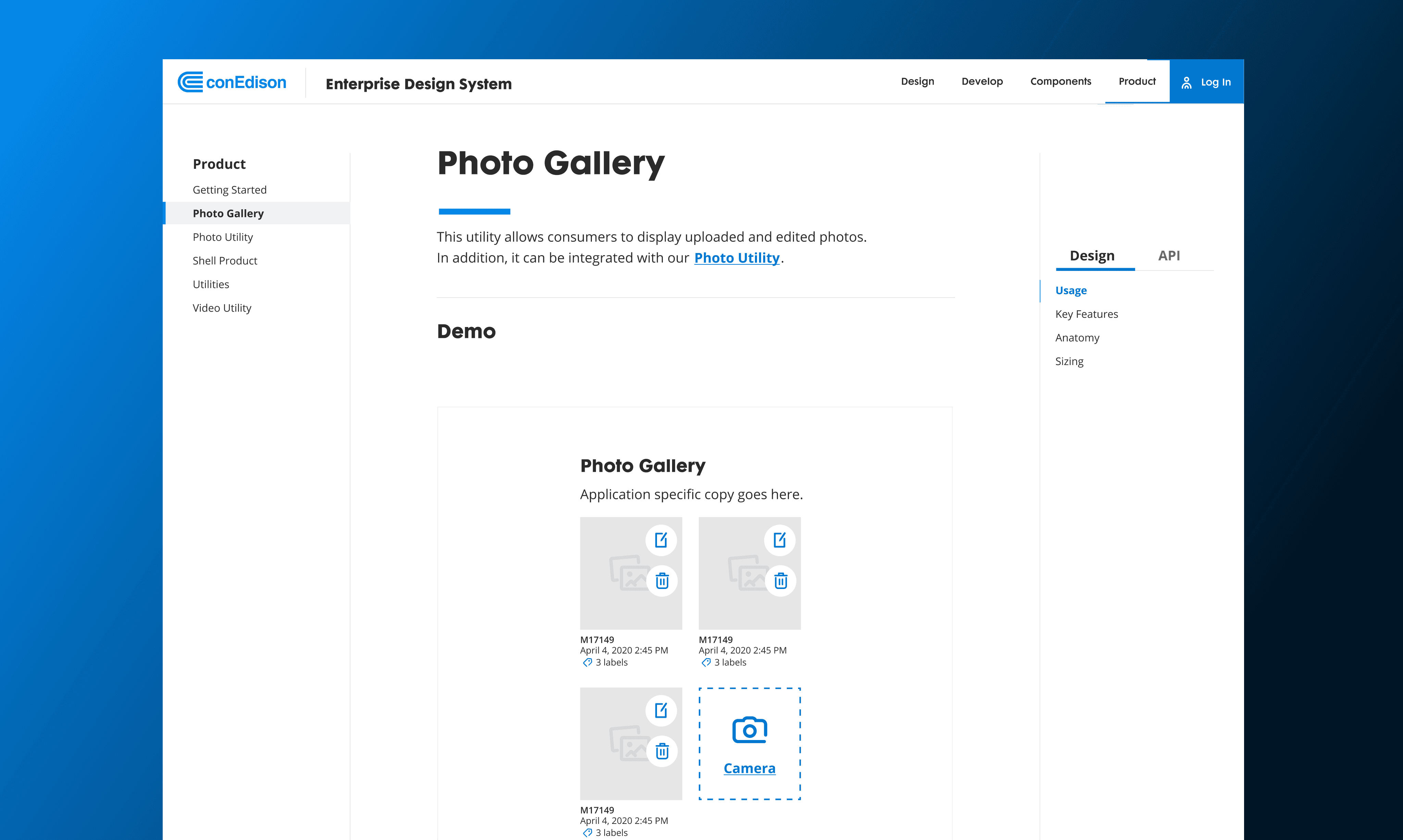
This utility allows consumers to display uploaded and edited photos. In addition, it can be integrated with the Photo Utility.
In-App Survey & Dashboard
A full-stack utility enabling product owners to collect feedback from users. It included configurable questions, triggers, and an admin dashboard to review survey metrics and responses.
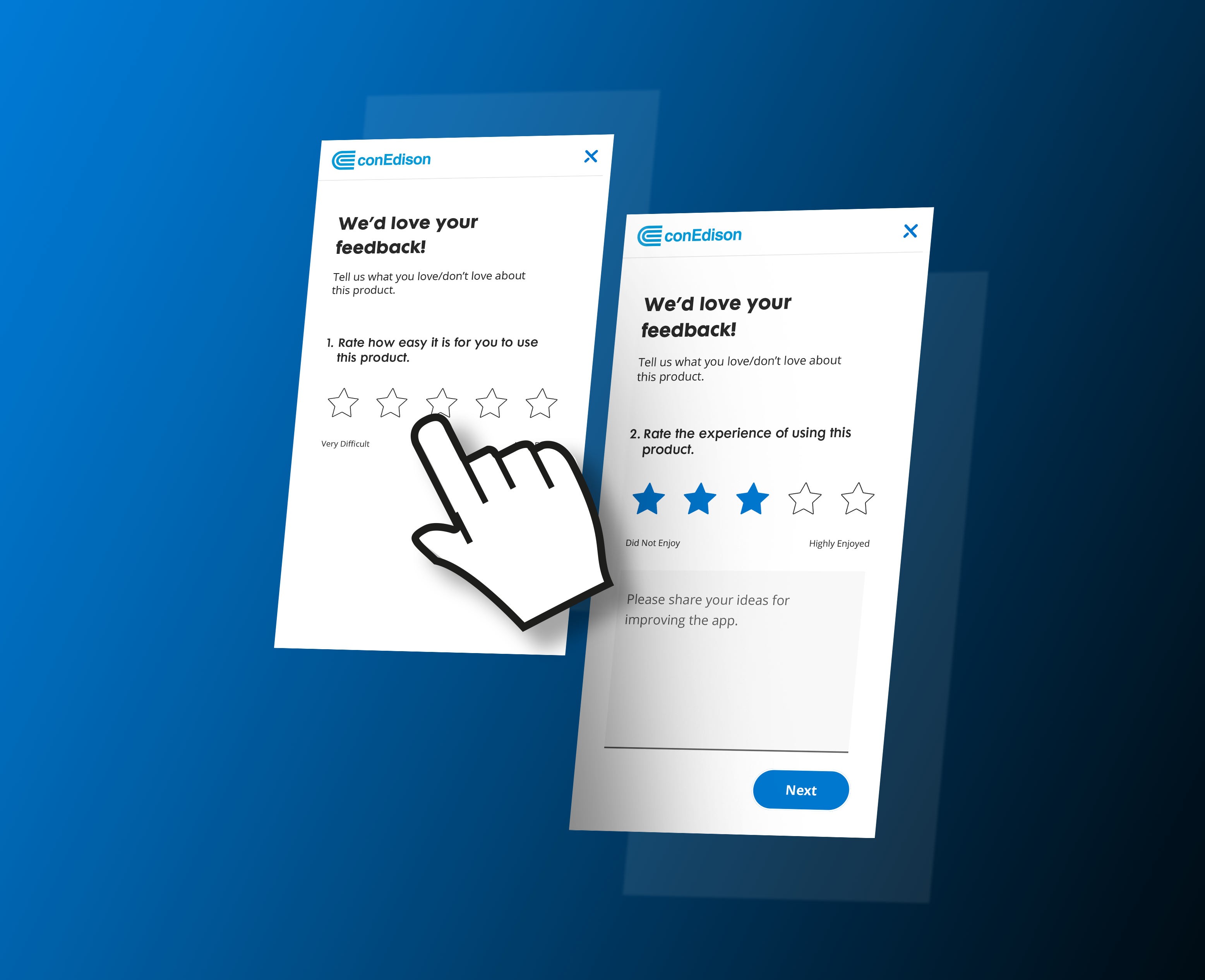
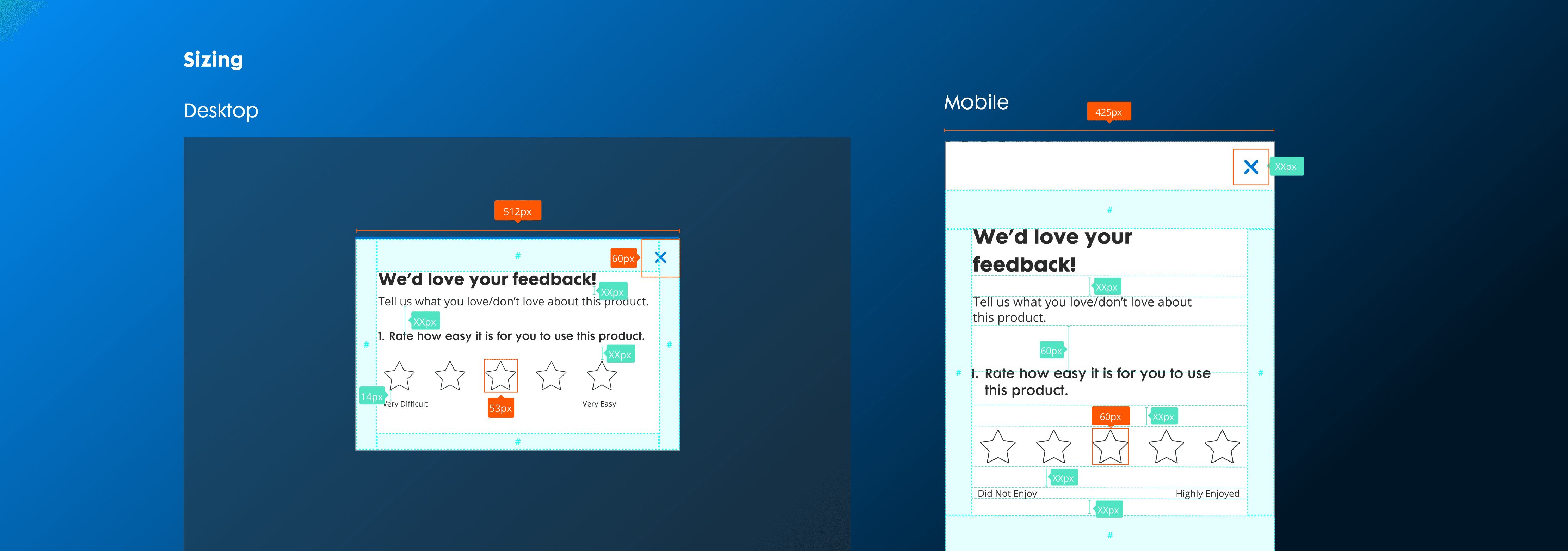
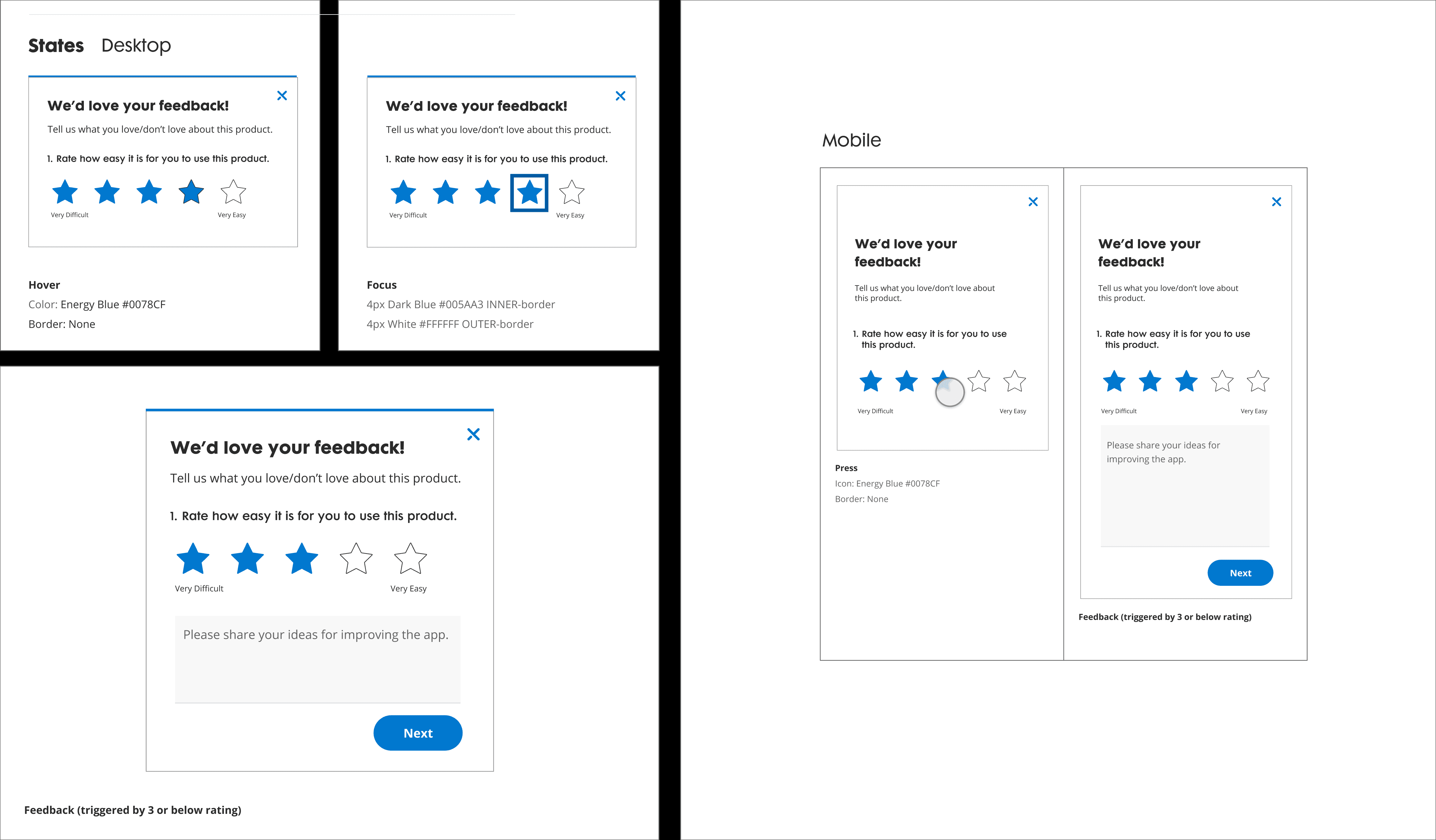
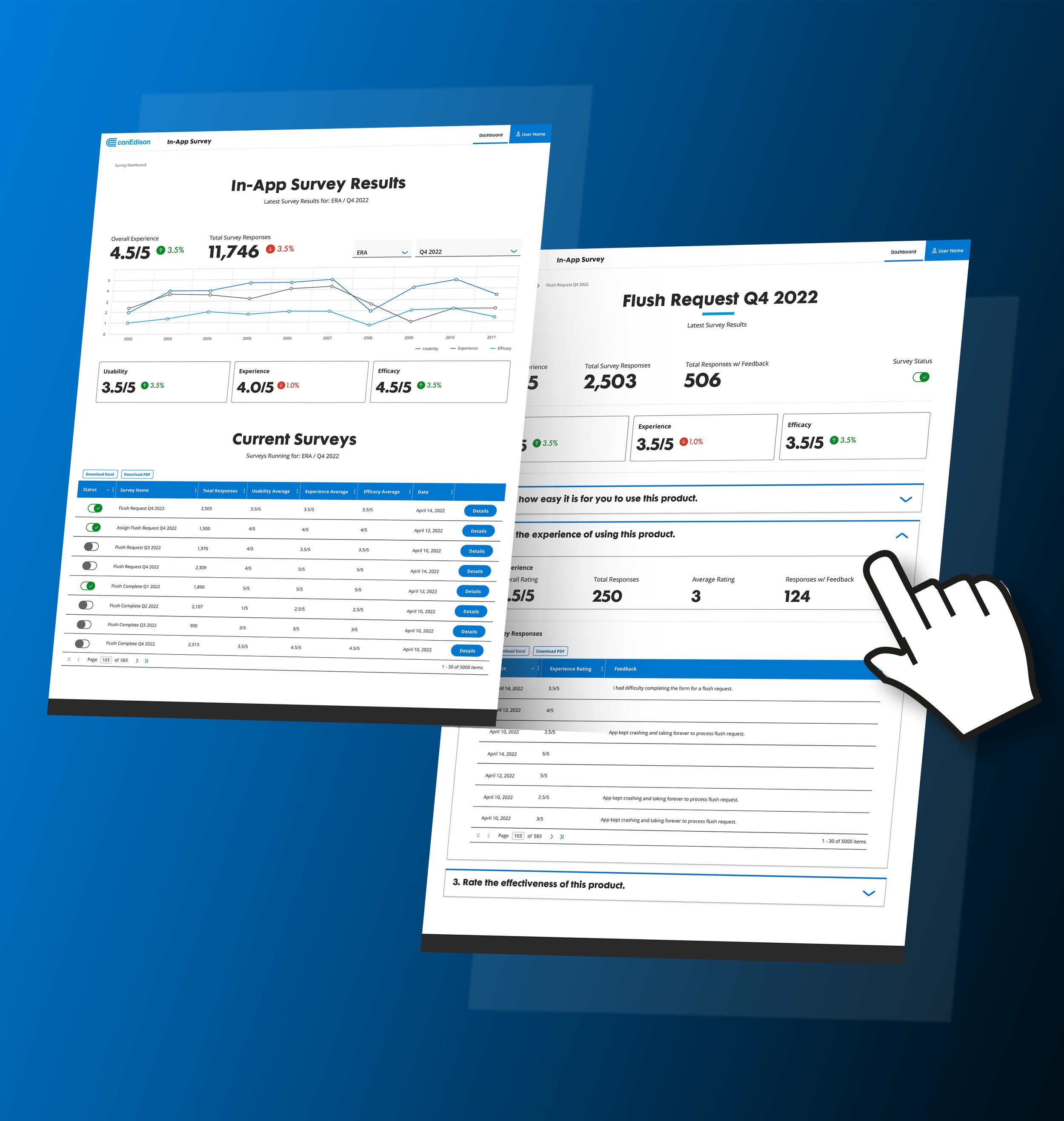
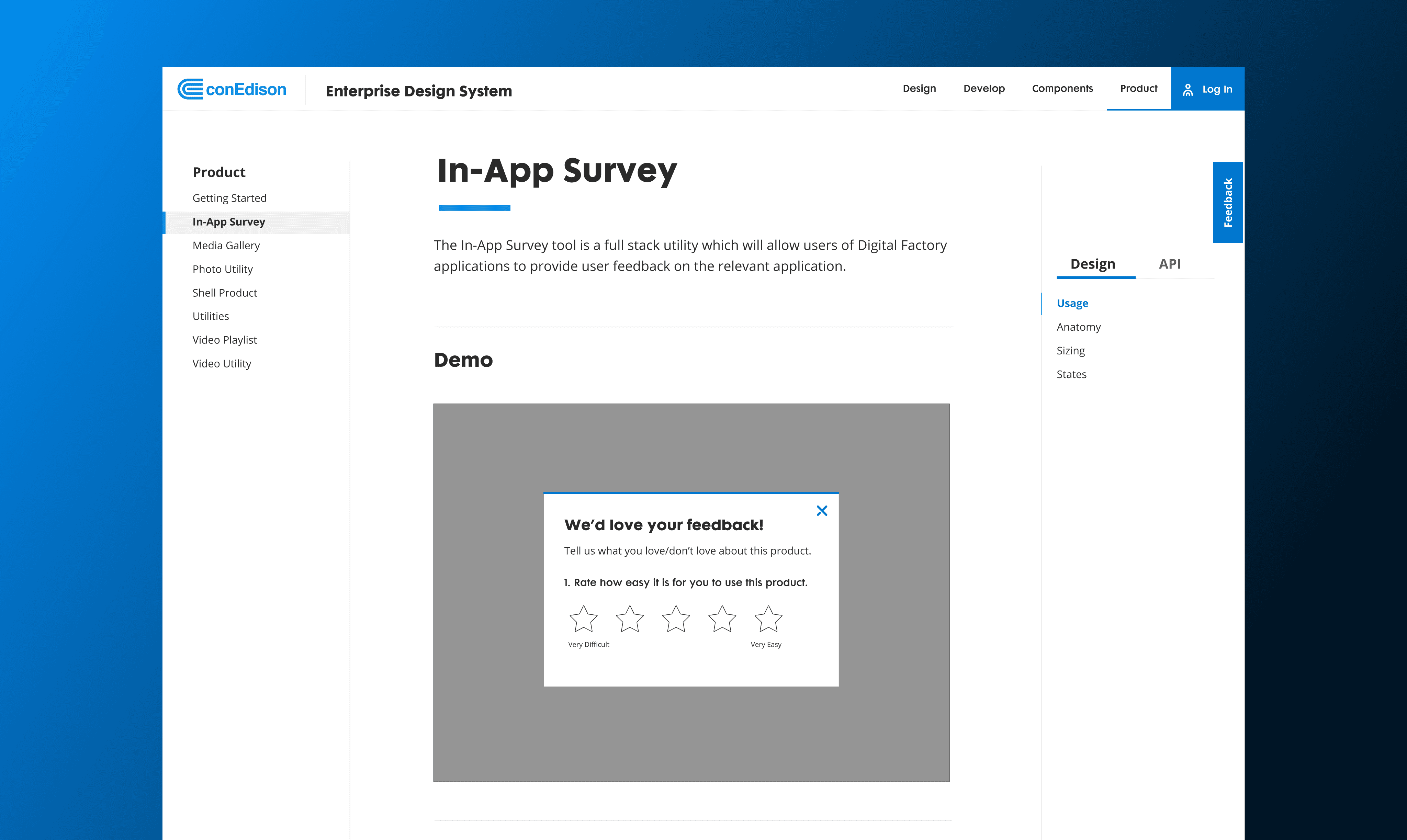
These full-stack utilities reduced duplicated build effort and established the EDS as a platform with tangible product value leading to an increase in voluntary adoption.
Made Accessibility a System Constraint
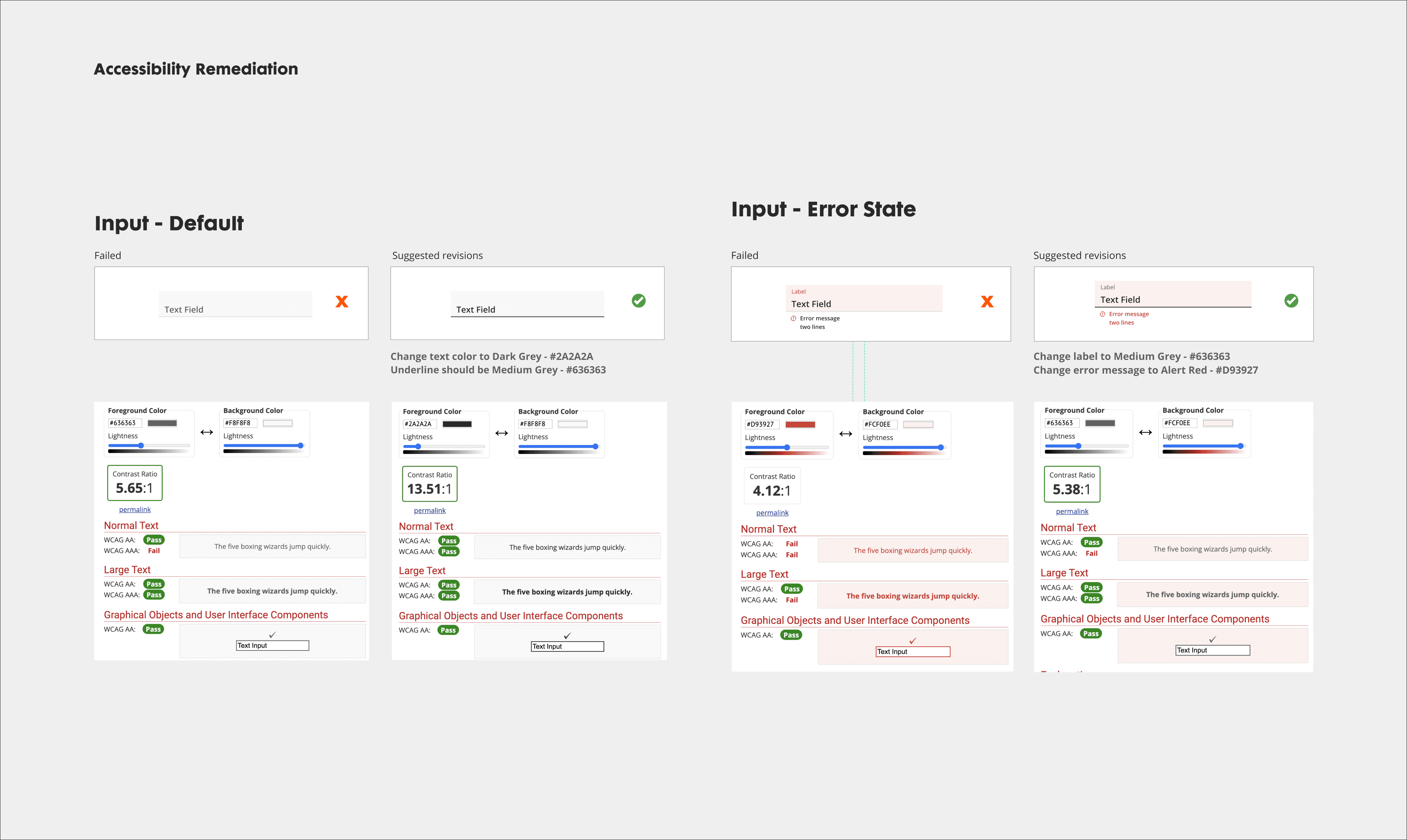
Accessibility gaps were a critical blocker. One of my initiatives as Design Lead of the Enterprise Design System was addressing accessibility gaps across existing components. I led a comprehensive WCAG audit of the library, partnering with product teams to triage issues across multiple applications. I translated findings into clear design guidance—creating precise mockups that identified gaps and proposed compliant solutions—and worked closely with Engineering to implement updates directly in production code. Delivering accessible, AA-compliant components built trust with product teams and directly drove adoption of the design system from 4 to 16+ customer-facing products, while establishing accessibility as a foundational system principle.
Moving forward accessibility became a default behavior of the system and baked into all components.
Replaced Third-Party Dependencies with Custom Component
The design system’s reliance on third-party libraries introduced unnecessary cost, limited flexibility, and long-term risk. I led the transition to fully in-house, custom-built components—eliminating licensing constraints, reducing maintenance overhead, and enabling consistent branding and deeper customization. This shift materially lowered technical debt while giving the organization greater control over the system’s evolution.
Built Governance That Scaled with Adoption
I established a structured governance framework to manage how components were proposed, reviewed, and shipped, ensuring alignment with system standards, accessibility requirements, and real-world use cases. To support cross-team collaboration and adoption, I instituted regular rituals including bi-weekly demos and stakeholder reviews, weekly design–engineering parity syncs, and workshops and office hours for onboarding. This governance approach scaled with adoption, accelerating system contributions while maintaining quality and consistency across teams.
Design System Evolution Highlights
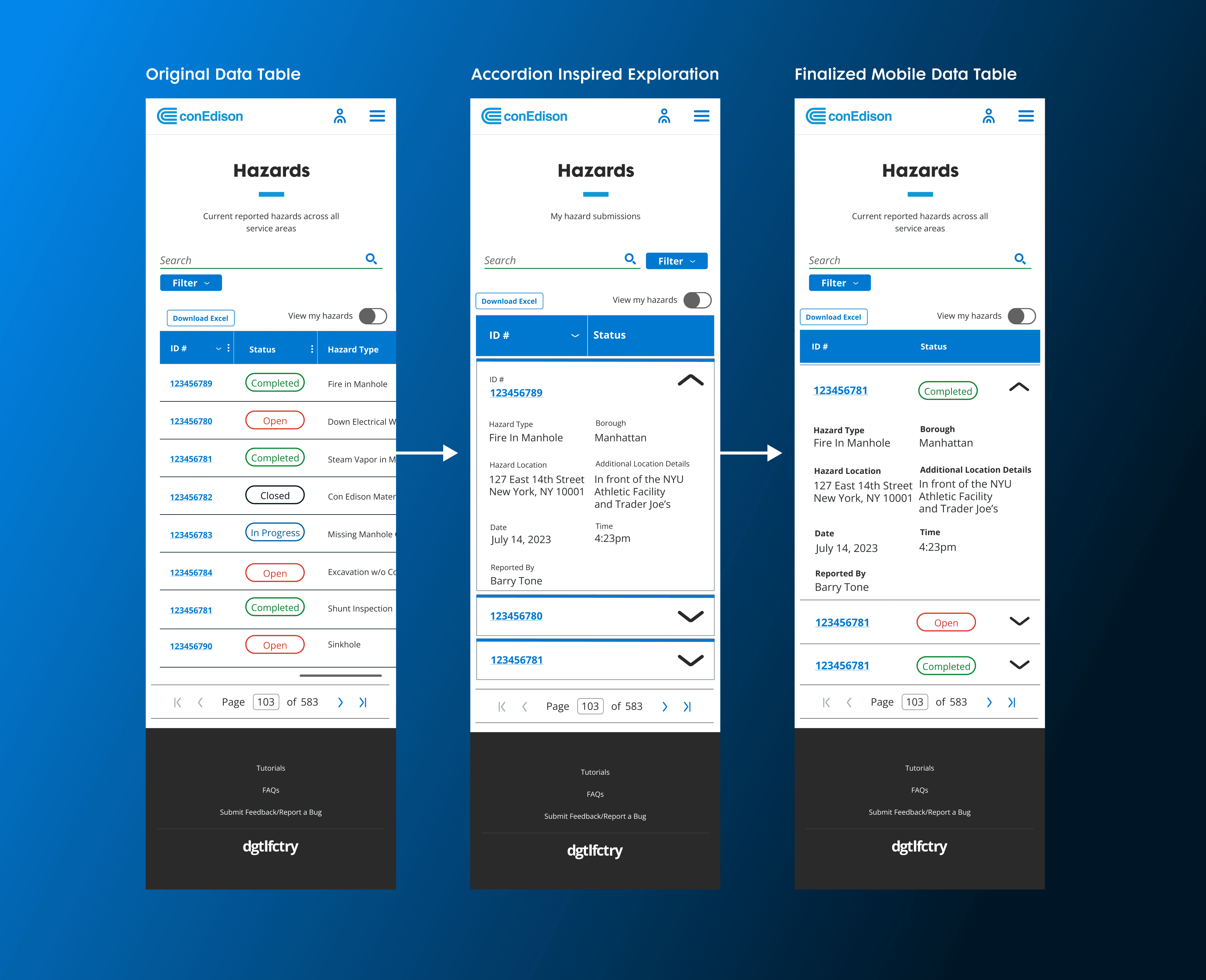
Mobile Data Table Pattern
Identified a critical usability failure in legacy mobile tables. Designed a row-expanding, collapsible pattern that preserved context without horizontal scrolling. The pattern was validated, adopted, and contributed back into the EDS as a new enterprise standard.
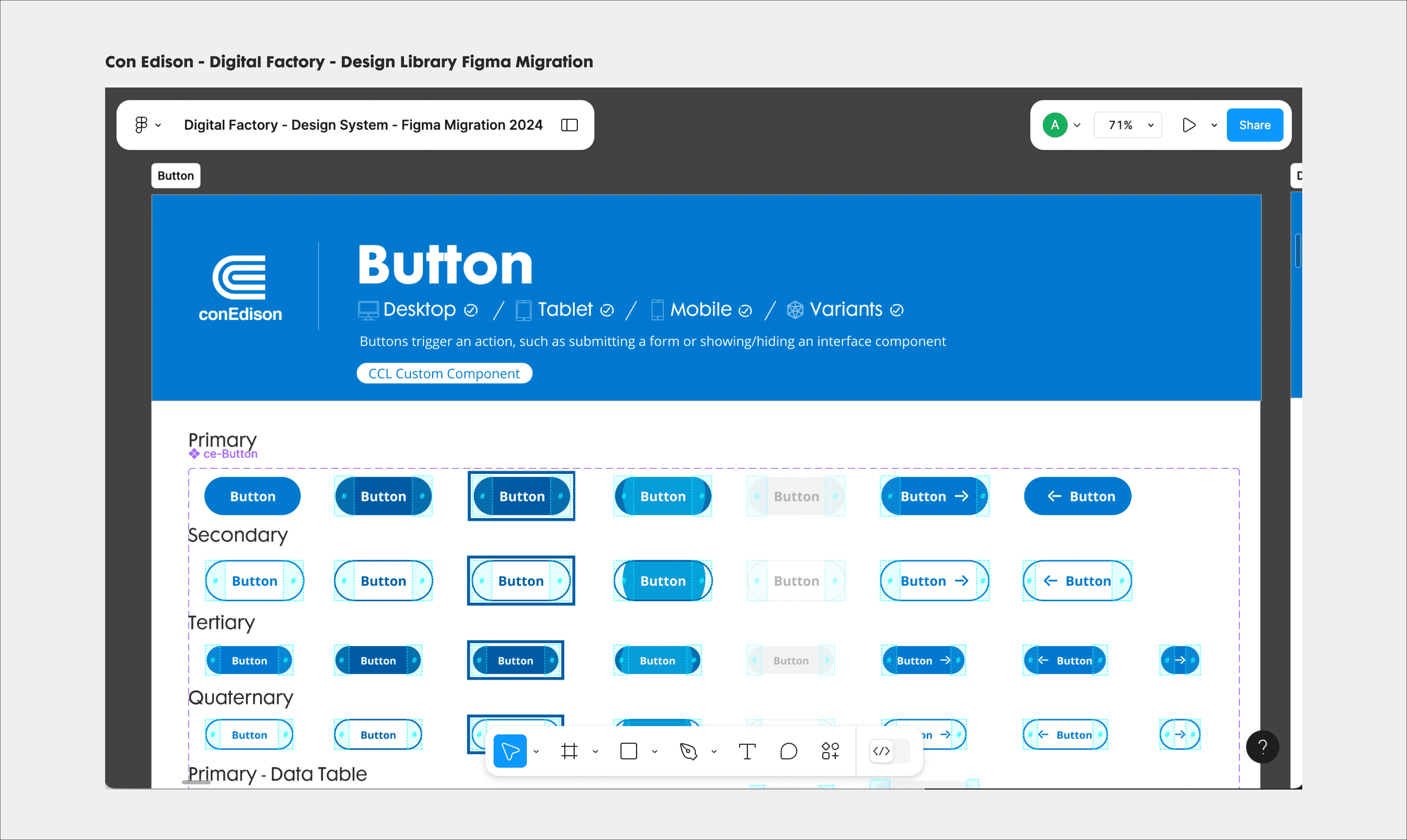
Sketch → Figma Migration
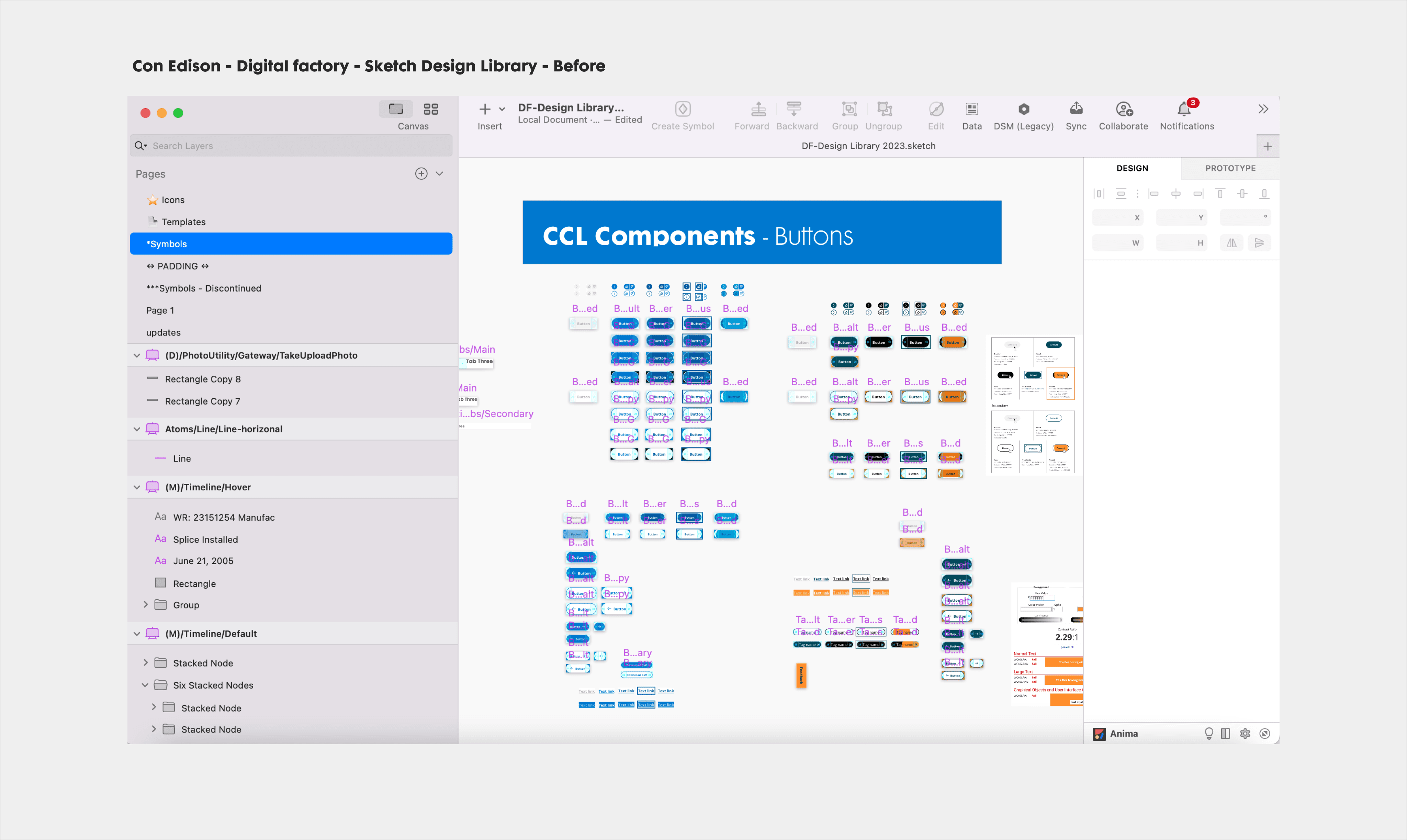
The migration of Digital Factory’s Enterprise Design System from Sketch to Figma was triggered by the sunset of InVision, but I leveraged it as a strategic opportunity to modernize both the system and cross-functional workflows. Rather than a direct tool swap, I led it as a system re-architecture focused on scalability, collaboration, and long-term maintainability.
I developed a phased migration plan starting with a full audit of the legacy Sketch library, removing redundancy and rebuilding components with scalable naming, variants, design tokens, and variables to support multi-brand needs. In parallel, I aligned designers, product partners, and engineering leads on workflow changes, onboarding Product into FigJam for collaborative discovery and partnering with Engineering to redefine handoff and Dev Mode usage.
The result was a more accessible, scalable, and future-ready design system that improved design–engineering alignment and established a durable foundation for continued growth.
Mentoring & Team Growth
As the system scaled, I onboarded and mentored a Senior Designer—establishing shared ownership, reinforcing system standards, and ensuring continuity beyond my direct involvement.
What Changed Because This Shipped
Teams ship faster with fewer design and build cycles
Accessibility is no longer a blocker
Products share a trusted, consistent foundation
The EDS operates as a platform, not a static library